Programs & Initiatives
Our programmes respond directly to the challenges facing young people in disadvantaged communities — from subject choices and study access to personal development, health, and human rights.
My Career, My Future
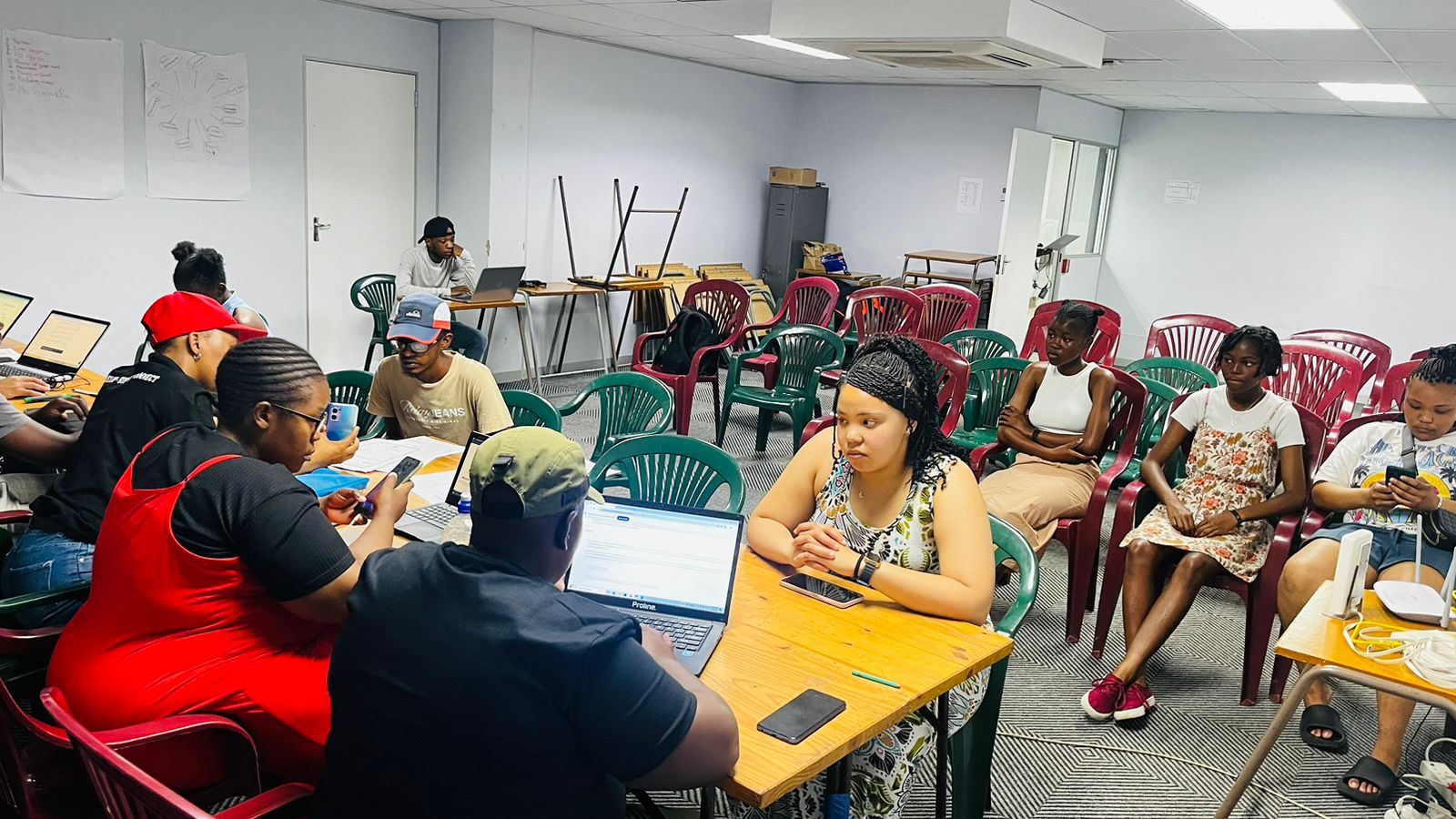
A career guidance and educational support programme aimed at helping learners—especially those in Grade 9—make informed subject choices based on their interests, strengths, and aspirations.
- School visits and career workshops.
- Grade 9 subject choice and Grade 12 career expos.
- Exposure to career pathways and mentorship.
- Access to information on bursaries, universities, and training colleges.
- NSFAS and college / varsity application drives.
- Academic support partnerships and career information sessions.
Sizophumelela Youth Empowerment Initiative
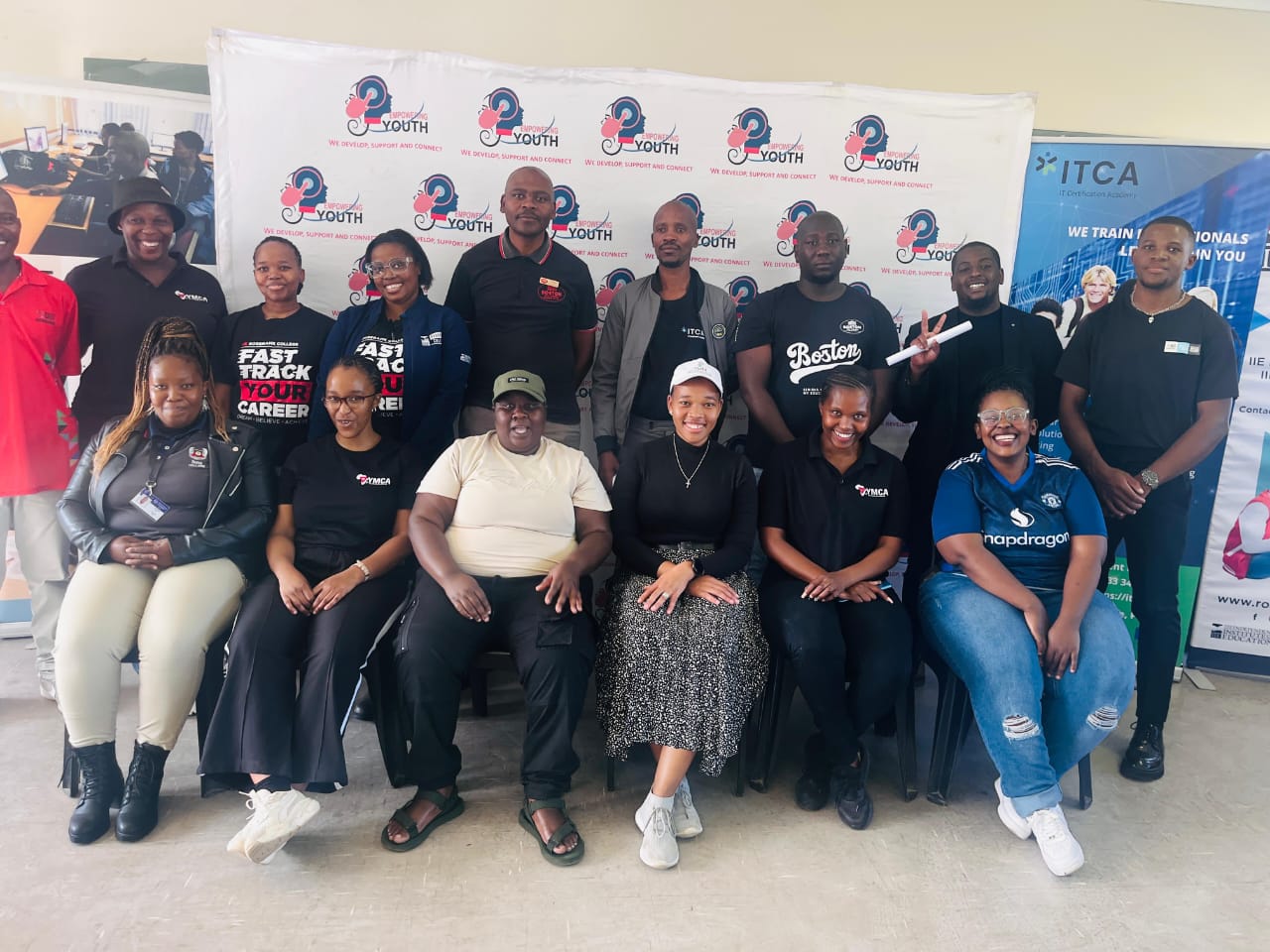
A flagship programme designed to respond directly to high unemployment, lack of skills, poor access to opportunities, and limited personal development support.
This initiative offers a comprehensive, human-centered, and transformative personal development and skills training programme that equips young people with the tools they need to enter the job market, build sustainable livelihoods, and become active contributors to their communities.
Programme Objectives
- Strengthen young people’s self-awareness, confidence, and personal responsibility.
- Equip youth with practical skills relevant to employment and entrepreneurship.
- Promote digital literacy and prepare youth for the modern workforce.
- Nurture young leaders who are able to think critically and make informed decisions.
- Create pathways to employment, further training, and economic participation.

Capacity Building, Health & Human Rights Advocacy
Community outreach and education initiatives that address critical issues affecting young people.
- Gender-based violence (GBV) prevention.
- Discipline and teamwork.
- Mental and physical wellbeing.
- Leadership and goal-setting.
- HIV and TB awareness.
- Sexual and reproductive health education.
.jpg)
Education Support Initiatives
We support learners by improving their access to educational resources and opportunities so that young people are not left behind due to financial or informational barriers.
This includes school-based support, exam preparation spaces, and linking learners to extra lessons and bridging programmes through partners.
Support education access